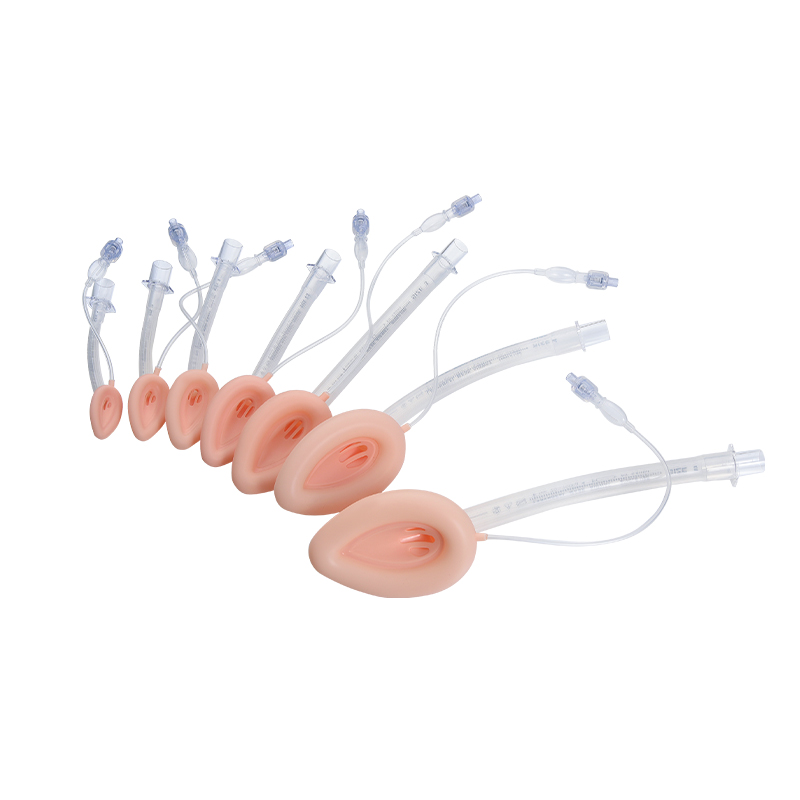
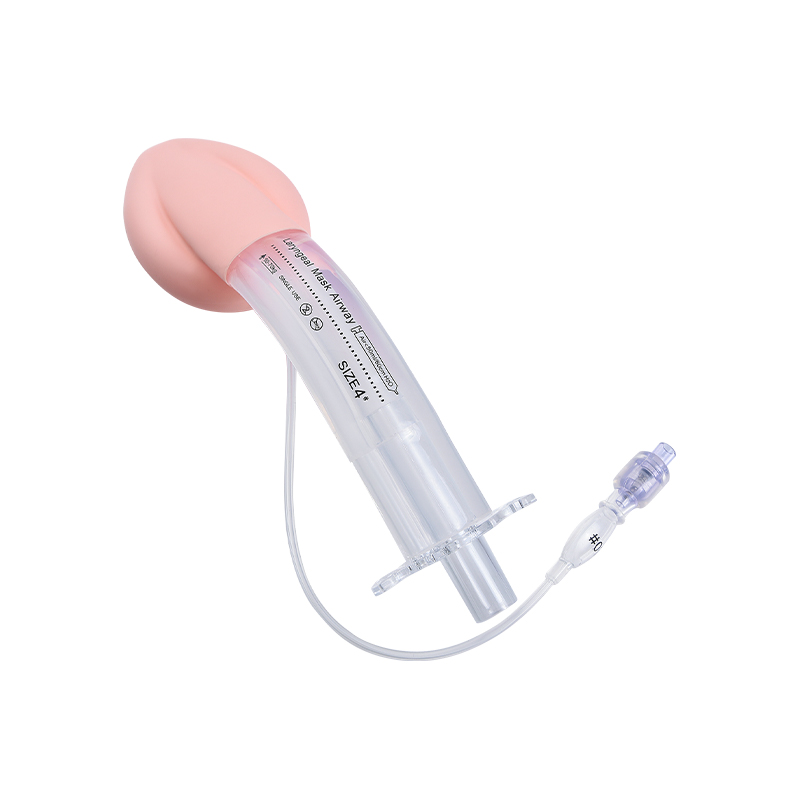
یکبار مصرف ماسک ماسک حنجره PvC یکبار مصرف
ماسک ماسک حنجره PVC ما از مواد PVC برتر ساخته شده است ، با یک بافت ساتن نرم اضافی به دکمه سر ، یک...
با ما تماس بگیرید



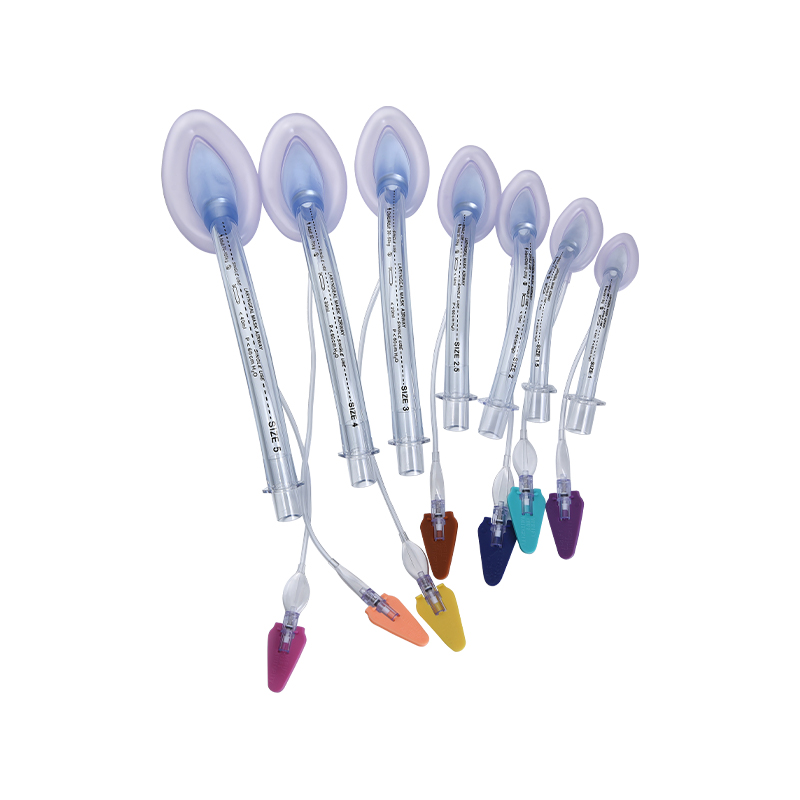
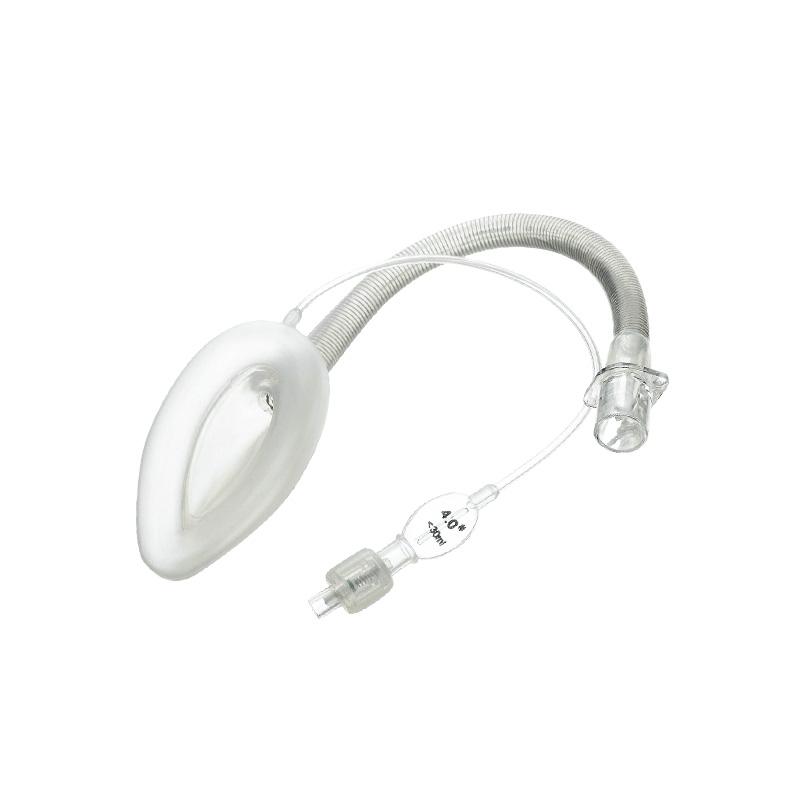
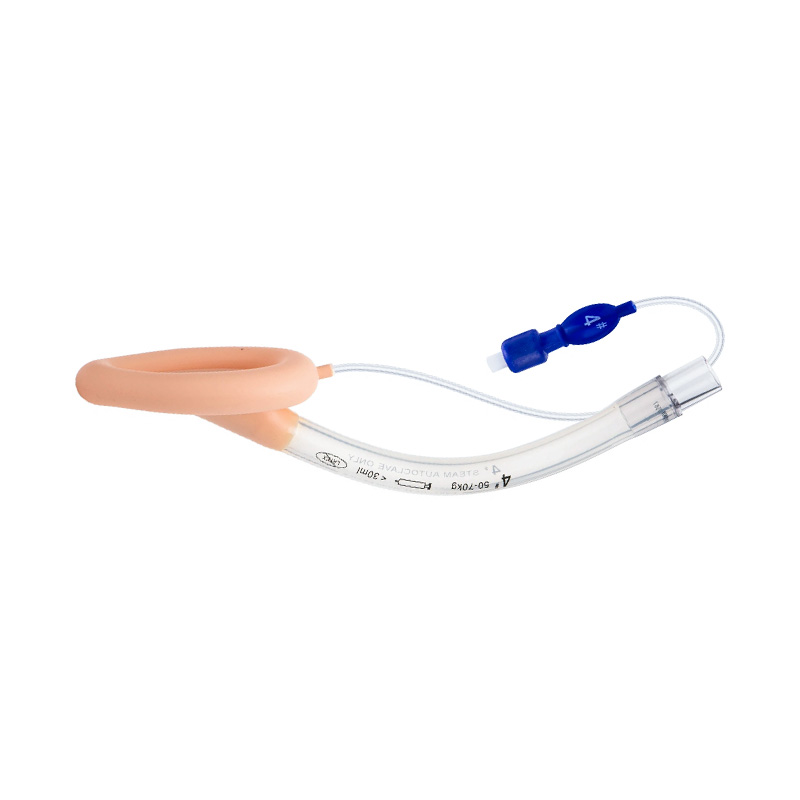
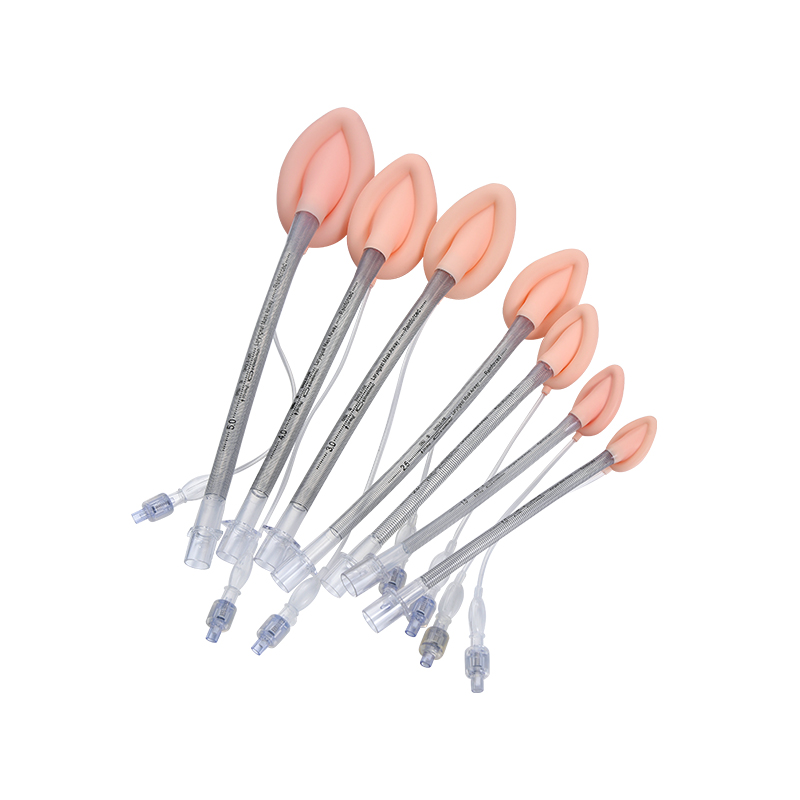
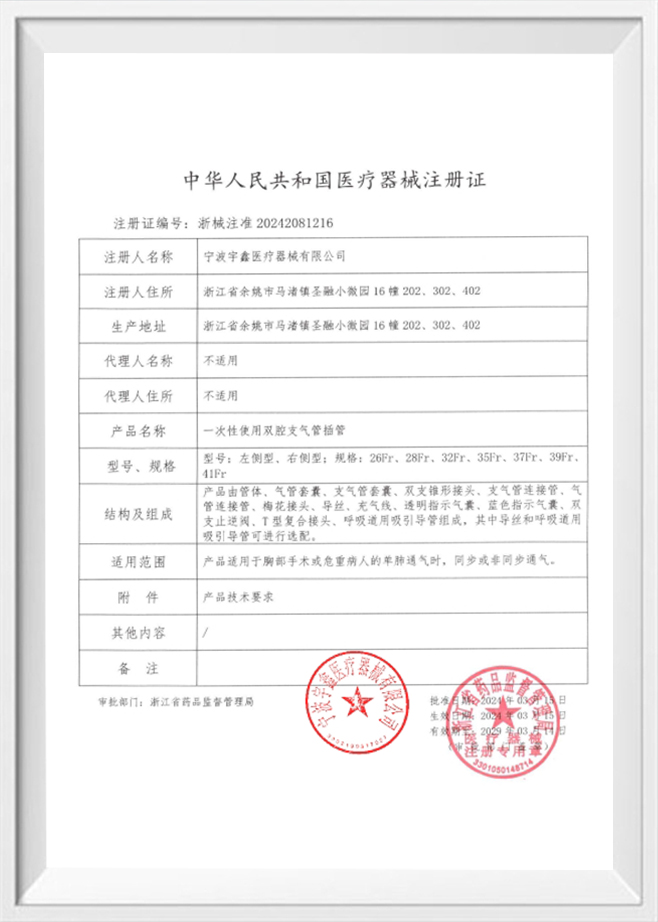
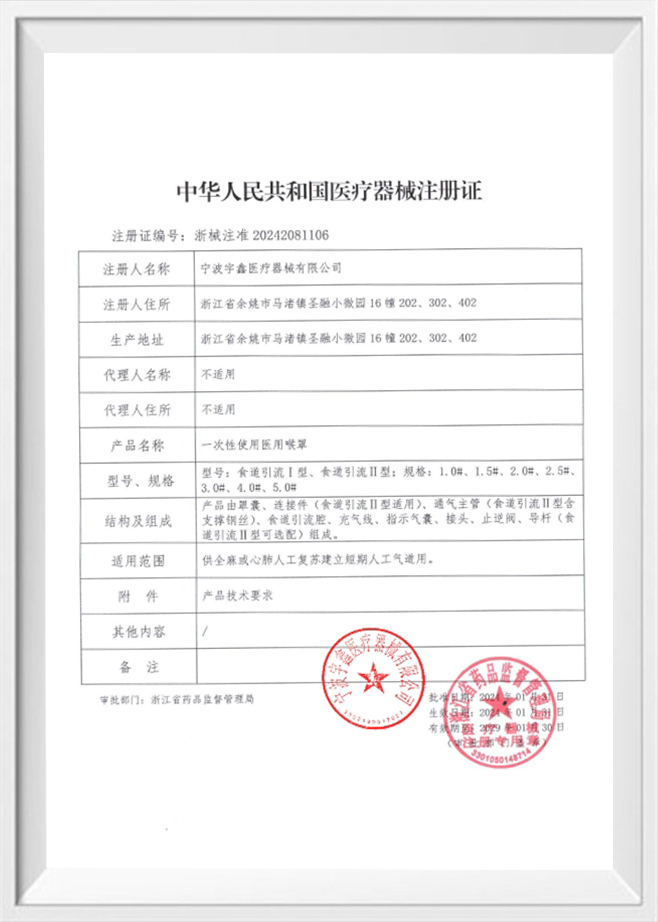
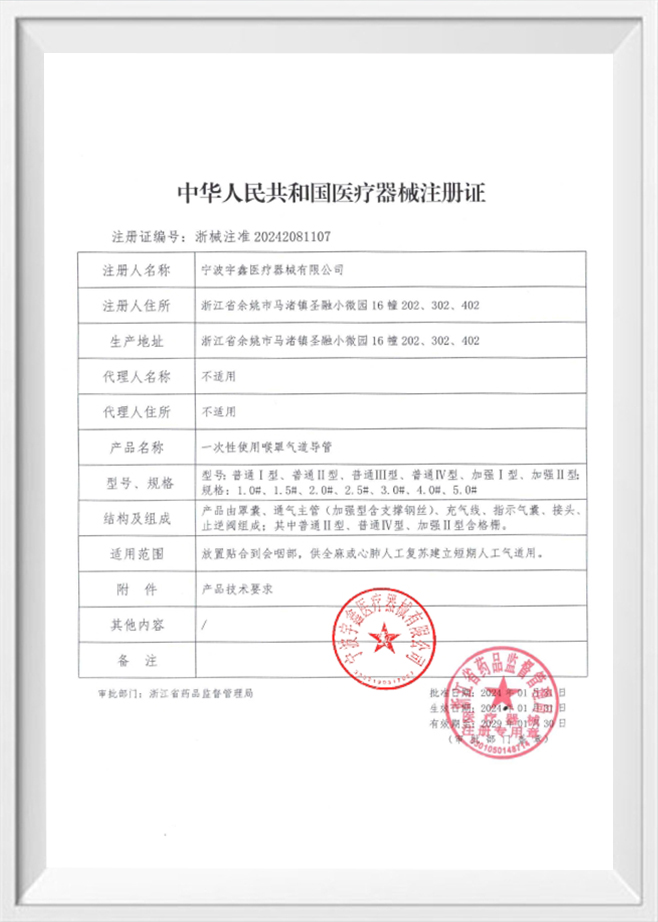
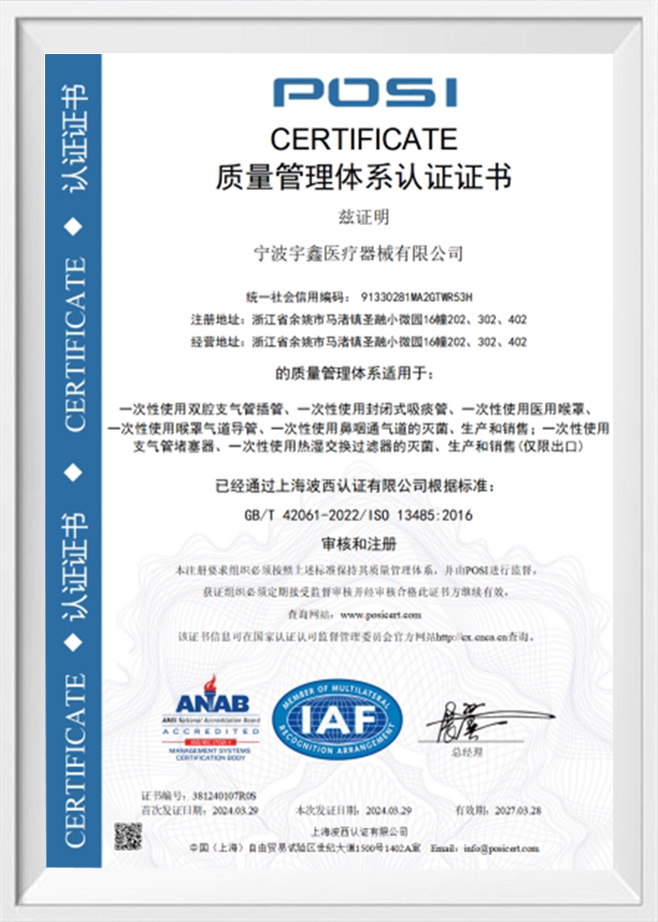
آشنایی با بالون تامپوناد رحمی بالون تامپوناد رحمی یک وسیله پزشکی است که برای کنترل خونریزی پس از زایمان (PPH) با ایجاد فشار مکانیکی برای کنترل خ...
مشاهده بیشتربررسی اجمالی لوله های تراشه لوله های داخل تراشه وسایل پزشکی ضروری هستند که برای باز نگه داشتن راه هوایی در بیمارانی که نیاز به تهویه مکانیکی، بی...
مشاهده بیشترآشنایی با کاتترهای ساکشن بسته کاتترهای ساکشن بسته ابزارهای پزشکی هستند که برای پاکسازی مجاری هوایی بیمارانی که قادر به پاکسازی مؤثر ترشحات تنفسی...
مشاهده بیشترمقدمه ای بر احیاگرهای سیلیکونی احیاگرهای سیلیکونی که با نام کیسه های احیا دستی یا کیسه های آمبو نیز شناخته می شوند، وسایل پزشکی ضروری هستند که ب...
مشاهده بیشتردرک نشت گاز در تحویل بیهوشی ماسکهای بیهوشی اجزای ضروری در سیستمهای بیهوشی استنشاقی بهویژه در حین القاء و مراحل کوتاه هستند. نشت گاز به خروج ن...
مشاهده بیشتر1.What Are Medical Laryngeal Masks and How Do They Work?
Medical Laryngeal Masks, commonly known as laryngeal mask airways (LMAs), are essential devices used to maintain a patient’s airway in various medical situations, especially during surgeries and emergency procedures. Unlike traditional intubation methods that require inserting a tube directly into the trachea, Medical Laryngeal Masks provide a less invasive solution by positioning the mask over the laryngeal inlet, allowing for effective ventilation without entering the trachea. This approach reduces trauma to the airway and offers a quicker, more convenient option for healthcare providers, particularly in operating rooms and emergency situations.
Laryngeal masks consist of a tube attached to a soft, inflatable mask that seals around the laryngeal opening. Once in place, the healthcare provider can connect the mask to a ventilation system, allowing air or oxygen to be delivered to the lungs while ensuring a clear and open airway. This is particularly useful in cases where endotracheal intubation might be difficult or unnecessary, such as in short surgical procedures or with patients who have difficult airways due to anatomical variations. Medical Laryngeal Masks are often used in anesthesia, as they allow anesthetists to administer anesthesia gases and control the patient’s ventilation without the need for more invasive procedures.
One of the main advantages of Medical Laryngeal Masks is their ease of use. They can be inserted relatively quickly and require less skill compared to traditional intubation, making them a valuable tool in emergency settings where rapid airway management is crucial. Additionally, laryngeal masks reduce the risk of vocal cord damage and minimize post-operative sore throat, which are common complications associated with intubation. They are available in various sizes, suitable for both pediatric and adult patients, and can be used for a wide range of medical situations, from routine surgeries to emergency resuscitation.
Medical Laryngeal Masks are typically made from materials like PVC (polyvinyl chloride) or silicone. Disposable PVC Laryngeal Mask Airways are commonly used for single-use scenarios, reducing the risk of cross-contamination and infection. Reusable silicone versions, on the other hand, are designed for multiple uses after proper sterilization, offering a more environmentally friendly and cost-effective solution for healthcare facilities. Additionally, reinforced versions of both PVC and silicone masks include embedded metal or plastic coils, which provide added flexibility and resistance to kinking, especially during procedures where the patient’s head or neck may need to be positioned in various ways.
2.What Are the Different Types of Medical Laryngeal Masks?
Medical Laryngeal Masks come in various types, each designed to meet specific clinical needs and provide optimal airway management. The key types of laryngeal masks include Disposable PVC Laryngeal Mask Airways, Reinforced PVC Laryngeal Mask Airways, Reusable Silicone Laryngeal Mask Airways, Reinforced Silicone Laryngeal Mask Airways, Disposable Silicone Laryngeal Mask Airways, and Preformed Laryngeal Masks with Double Lumen. Understanding the differences between these types helps healthcare providers select the appropriate mask for each patient and procedure.
Disposable PVC Laryngeal Mask Airway: This type of Medical Laryngeal Mask is designed for single-use, making it ideal for preventing cross-contamination and infections in clinical settings. Made from medical-grade PVC, these masks offer a cost-effective solution, particularly in high-turnover environments such as emergency rooms or outpatient surgical centers. Their disposable nature eliminates the need for cleaning and sterilization, ensuring that each patient receives a sterile device. The soft, inflatable cuff provides a secure seal around the laryngeal inlet, ensuring effective ventilation while minimizing trauma to the airway.
Reinforced PVC Laryngeal Mask Airway: Reinforced versions of PVC laryngeal masks include a flexible metal or plastic coil embedded within the tube. This design offers enhanced flexibility and resistance to kinking, making these masks particularly useful in surgeries where the patient’s head or neck may need to be positioned at extreme angles. For example, during oral or maxillofacial surgeries, a reinforced mask ensures that the airway remains patent even if the patient’s position changes throughout the procedure. These masks provide the durability needed for complex surgeries while still being disposable for convenience and infection control.
Reusable Silicone Laryngeal Mask Airway: Made from high-quality medical-grade silicone, these laryngeal masks are designed for repeated use. After proper sterilization, they can be used multiple times, making them a more environmentally friendly and cost-effective option for hospitals and surgical centers. Silicone is more durable and flexible than PVC, providing a softer and more comfortable experience for the patient. Reusable silicone laryngeal masks are commonly used in longer surgeries or procedures where patient comfort is a priority. They also offer a higher degree of biocompatibility, reducing the risk of allergic reactions or irritation.
Reinforced Silicone Laryngeal Mask Airway: Similar to the reinforced PVC versions, reinforced silicone laryngeal masks include an internal metal or plastic coil for added flexibility and kink resistance. These masks are preferred in surgeries where patient positioning is critical, such as in spinal or head surgeries. The silicone material provides enhanced durability, making these masks suitable for multiple uses after sterilization. They combine the comfort and biocompatibility of silicone with the structural integrity needed for complex surgical procedures, offering a versatile solution for airway management in a wide range of medical situations.
Preformed Laryngeal Mask Double Lumen: Preformed laryngeal masks with a double lumen design offer additional functionality by providing a separate channel for suction or the passage of medical instruments. This type of Medical Laryngeal Mask is particularly useful in procedures where airway secretions need to be continuously cleared, or where access to the airway is required for other purposes. The double lumen design ensures that ventilation can continue uninterrupted while other medical interventions are performed. These masks are often used in specialized surgeries, such as thoracic or abdominal procedures, where precise airway control and additional access are necessary.
3.How Do Medical Laryngeal Masks Improve Patient Safety?
Medical Laryngeal Masks play a critical role in improving patient safety during surgeries and emergency procedures by providing a reliable and less invasive option for airway management. Compared to traditional intubation methods, laryngeal masks reduce the risk of trauma to the trachea and vocal cords, making them a safer option for short to medium-length procedures or in patients who have difficult airways. Their design allows for quick and easy insertion, reducing the time needed to secure the airway, which is particularly important in emergency situations where every second counts.
One of the key safety advantages of Medical Laryngeal Masks is their ability to provide effective ventilation while minimizing the risk of aspiration. Aspiration occurs when stomach contents or other fluids enter the lungs, potentially leading to severe complications like pneumonia. Laryngeal masks create a seal around the laryngeal inlet, which helps prevent fluids from entering the lungs during surgery or anesthesia. This is especially important in patients who are at high risk of aspiration, such as those undergoing emergency surgery or those with certain medical conditions like gastroesophageal reflux disease (GERD).
In addition to preventing aspiration, Medical Laryngeal Masks offer a gentler approach to airway management, reducing the likelihood of post-operative complications such as sore throat, hoarseness, or airway trauma. Traditional endotracheal intubation can cause irritation and damage to the airway, particularly if the procedure is prolonged or if multiple attempts at intubation are necessary. Laryngeal masks, on the other hand, provide a secure airway without the need for inserting a tube directly into the trachea, significantly reducing the risk of injury.
Medical Laryngeal Masks also enhance patient safety by offering flexibility in their use. For example, reinforced versions of laryngeal masks are designed to maintain airway patency even in complex surgeries where the patient’s head or neck needs to be repositioned frequently. This ensures that ventilation is not compromised, even when the patient’s position changes during the procedure. Additionally, the availability of different sizes and materials allows healthcare providers to tailor the device to each patient’s specific needs, ensuring a proper fit and optimal performance.

ساختمان 16 ، پارک میکروارپرپرینگ Shengrong ، شهر مازو ، شهر یویائو ، استان ژجیانگ ، چین

Tel: +86-0574-66668898

E-mail: [email protected]
Copyright © Ningbo Yuxin Medical Equipment Co., Ltd., All Rights Reserved.

The information provided on this website is intended for use only in countries and jurisdictions outside of the People's Republic of China.